



Sustainable travel: 10 tips to make a positive impact on your next trip
As travellers, we are merely guests abroad – so we must make a positive impact on the people and environment we visit.
What we do, what we won’t do and what we measure
We work to make the most of what a school expedition can contribute to the places we visit, and to reduce our impact on the wider world. That shapes the partners we work with, the initiatives students take part in and the policies we hold ourselves to. It also shapes how we measure and report our impact on the environment.
For 40 years, we’ve been running global school expeditions that include community and conservation initiatives. That might be protecting nesting turtles in Malaysia, helping build pipelines for running water in Nepal, or planting trees along the Kinabatangan River in Borneo. We have a lot of evidence about what works and what doesn’t.

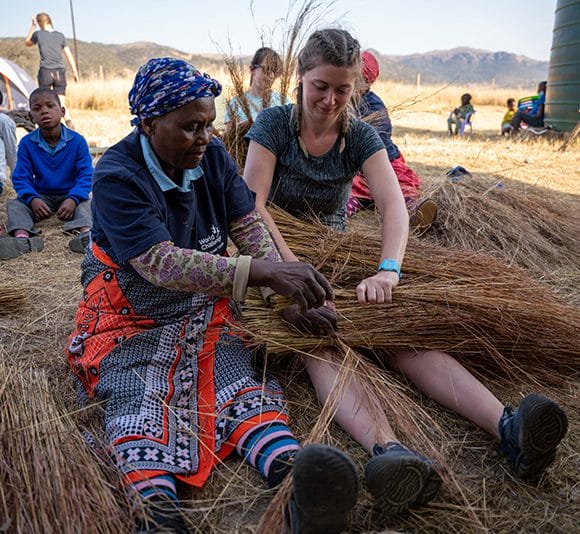
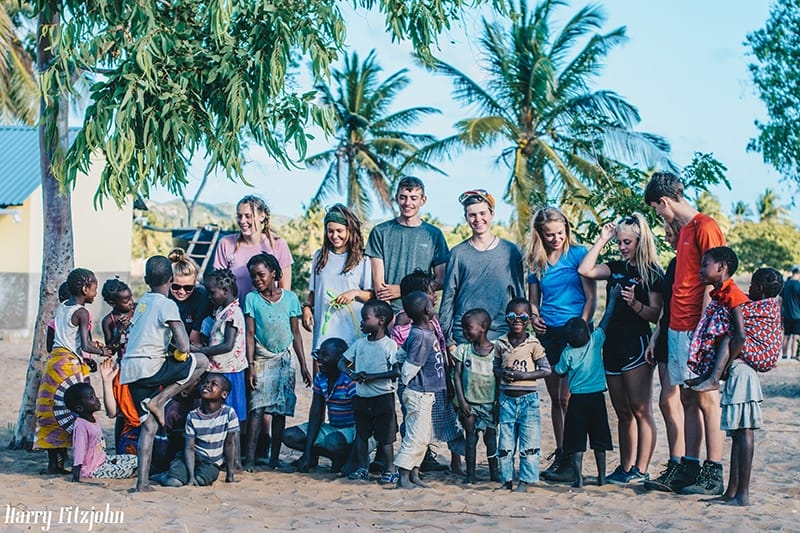
Students work alongside community and conservation partners around the world.
We’re realistic about what a school group can and can’t contribute during their expedition. We choose initiatives where students can contribute to something real and where local partners choose and lead the work. Students learn from organisations driving change in their own countries, and the benefit of that continues long after the school group goes home. Where an activity wouldn’t stand up to this test, we don’t run it.
Our local partnerships are long-term relationships, not one-off visits. We run training sessions for our partners, and each year we recognise the ones doing the most for their communities through our Initiative Impact Awards.
Our partners’ work spans 15 of the UN Sustainable Development Goals, the framework governments and organisations around the world use to measure progress on poverty, education, health, equality and the environment. For teachers, it’s a straightforward way to connect an expedition to global citizenship and curriculum aims.
Every year we publish what students told us after their expedition, what our partner initiatives achieved and what our trips cost the planet.
It’s a useful report to share with your school’s senior leadership teams when you’re seeking sign-off for a global expedition.
World Challenge Impact Report 2026, based on 801 survey responses from students returning from their expedition in 2025
On a World Challenge Expedition, local community and conservation project work is practical and specific to the itinerary. Here are a few examples of what recent groups have worked on:
All examples are taken from our Impact Report 2026. If you’d like further examples for your school or you’re interested in a specific type of initiative or outcome, get in touch and let’s discuss what will work for your school.
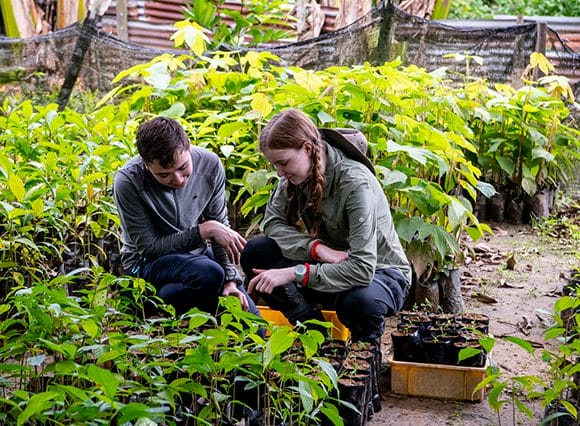
Our policies shape what goes into an itinerary, and what stays out of it.
We hold a child welfare policy
Our child welfare policy governs how students and community members work together on every initiative. We’d never disrupt lessons in local schools or have our students act as teachers. Community partners are selected and reviewed against it.
We don’t visit orphanages
Orphanage visits and volunteering have no place in school travel. We stopped running them in 2017, when we partnered with Rethink Orphanages and joined their campaign to end the practice across the travel industry. Learn more in our article on why you should avoid orphanages while travelling.
We don’t hand out single-use plastic
World Challenge is proud to be part of the Travelers Against Plastic initiative. As part of this, our teams carry water purification systems rather than bottled water.
We hold strict animal welfare standards
Any activity that brings students into contact with animals is checked against our animal welfare policy before it goes anywhere near a trip. We conduct regular audits and checks on any animal-related experience in our itineraries. We work with World Animal Protection and avoid washing, touching and riding elephants. Learn more in our article on elephant riding and animal cruelty.
We continue to review and update our policies as our trips grow and evolve.
You can read our policies in full in our climate action plan.
“Students have a broader understanding of the world, learning about different cultures and what we can do to support them. They have started to develop their awareness of being a responsible traveller and the impact this can have.”
Sustainability on a World Challenge expedition isn’t a session on the itinerary or a box-ticking exercise. On one of our projects, students see how a running water supply is built, who maintains it and what it takes to keep going once the visitors have left. Many of our students come home having changed something about how they travel or what they do at home.
of students took action to be more sustainable while travelling
will increase their efforts to protect nature and the environment
will look for sustainable way to travel in the future
will use what they’ve learned to have a positive impact in their community
Source: World Challenge Impact Report 2026, based on 801 survey responses from students returning for their expedition in 2025.
Our expeditions take students overseas, and flights are the largest part of our footprint. We measure our emissions every year and publish them in full in our Impact Report, alongside what we’re doing across World Challenge to bring them down.
Where we can, we plan itineraries that keep ground travel to a minimum. That lowers emissions and gives groups more time to explore and less time on the road. We also book flights as early as possible, so we can put more students on direct routes. Our teams carry purification systems rather than bottled water, so there’s no single-use plastic on trips.
We’re working on our own operations footprint too. We’ve also reduced staff travel, and we’ve moved to smaller offices and a smaller warehouse that takes less energy to run. And we’re working to reduce our waste.
We fund restoration and environmental initiatives. In 2025, we worked with Eden People and Planet on the restoration of around 44 hectares in the Rubeho Mountains of Tanzania, a water source for almost three million people. Our Climate Action Fund invites partners to apply for funding to run climate projects in their own communities.
We also care about playing our part in our own communities. Every World Challenge team member gets two days a year to volunteer with local charities.
Here are the organisations we work with on sustainability, community development and conservation efforts:
As travellers, we are merely guests abroad – so we must make a positive impact on the people and environment we visit.
From our stringent vetting process to cultural immersions that go both ways, we aim to improve livelihoods through community initiatives.
From Europe to Asia, camping to eco lodges, these expeditions were designed with the environment in mind.
Speak to our school trip specialists and start planning an expedition tailored to your students.