
Skills and Outcomes
What skills do students build on a World Challenge expedition?
Development students can show, not just describe
Ask a student what they got from a World Challenge expedition, and very few of them start with the country they visited. They talk about the day they led the group, the budget they were handed, or the thing they were sure they couldn’t do and then did.
And that’s by design. Students take real responsibility, somewhere unfamiliar, with a trained Expedition Leader alongside them. Through challenge, teamwork and reflection, young people come home more confident, independent and with a stronger sense of what they’re capable of.
Find out what skills students develop, how it happens and what they and their schools tell us afterwards.
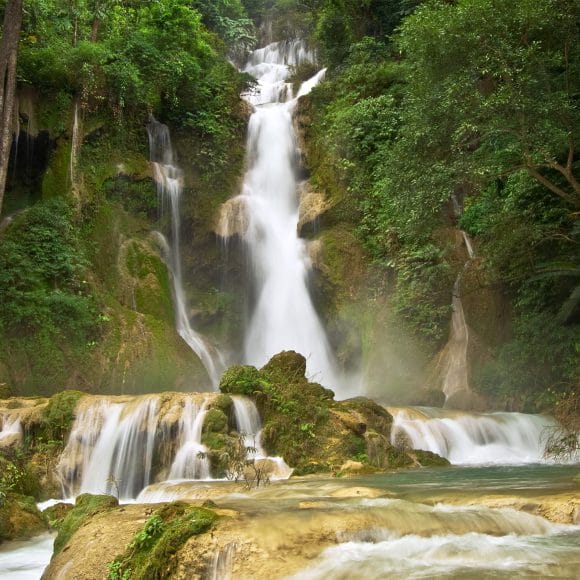
What you’ll notice in students when they get back
Teachers often notice the difference after students return. The student who never volunteered before putting their hand up, or the group that sorts itself out without being asked.
These are skills that colleges, universities and employers consistently value. And it comes down to four things.
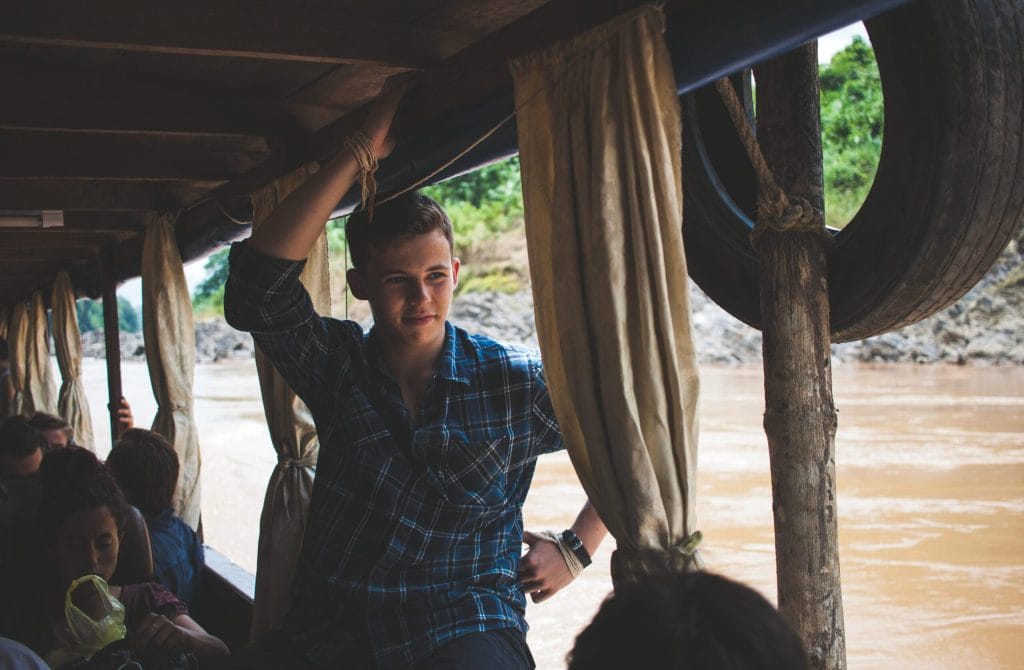
Students learn to keep going when things feel unfamiliar or difficult. They come home more confident in what they can handle. Afterwards, they can say what changed and why.
-
 Confidence in unfamiliar situations
-
Resilience and perseverance
-
Reflection and articulation

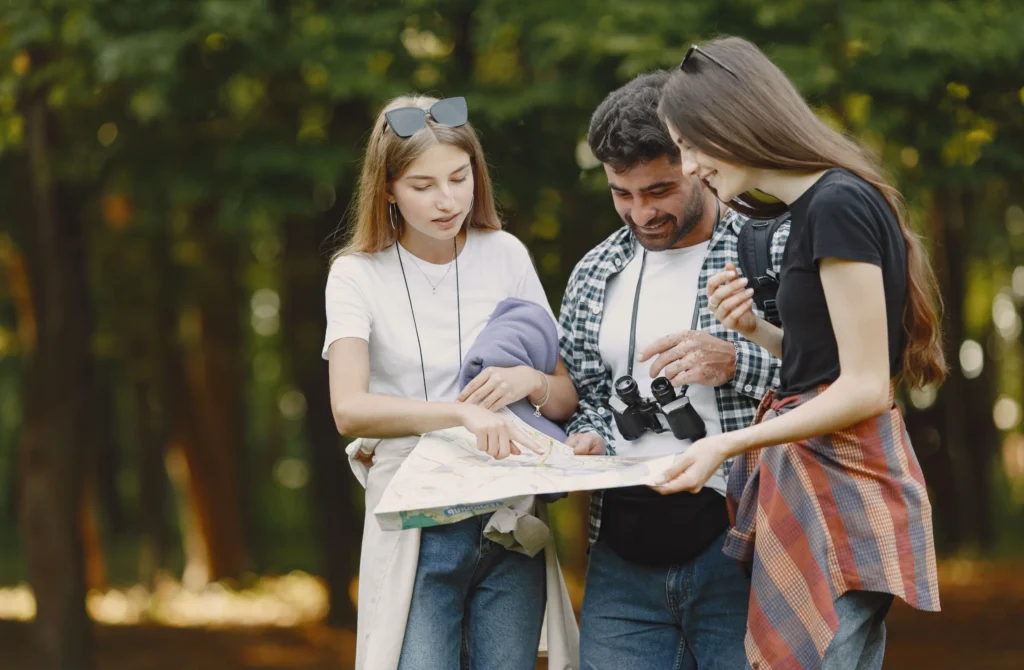
Students manage real tasks, from budgets and kits to day-to-day decisions. Their choices affect the whole team.
-
![]() Responsibility
-
![]() Self-management
-
![]() Reflection and articulation

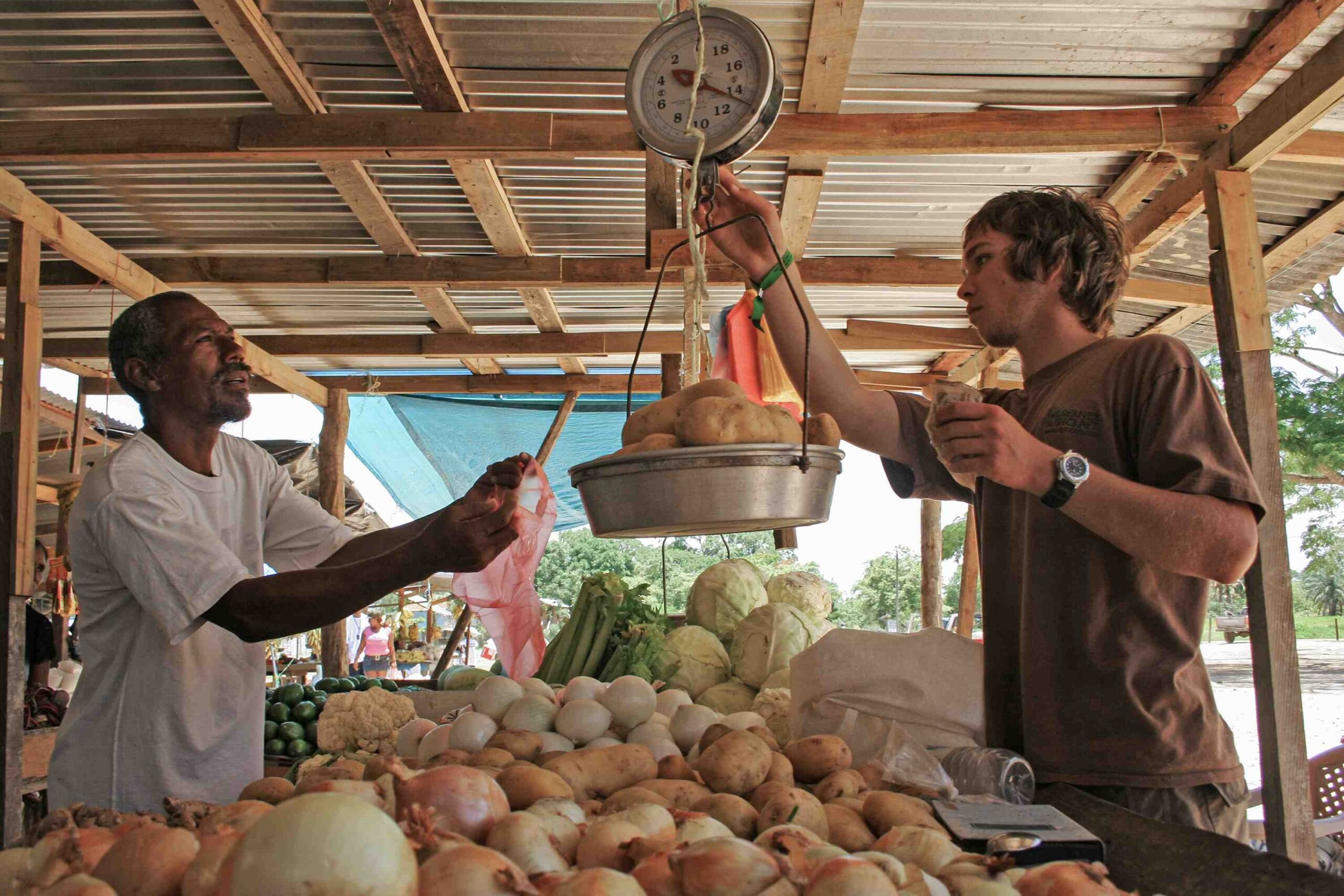
Students practice teamwork, communication, leadership and problem-solving in real situations. They learn to make decisions, adapt and work well with others.
-
![]() Teamwork & collaboration
-
![]() Communication
-
![]() Leadership and initiative
-
![]() Problem-solving and decision-making
-
![]() Reflection and articulation

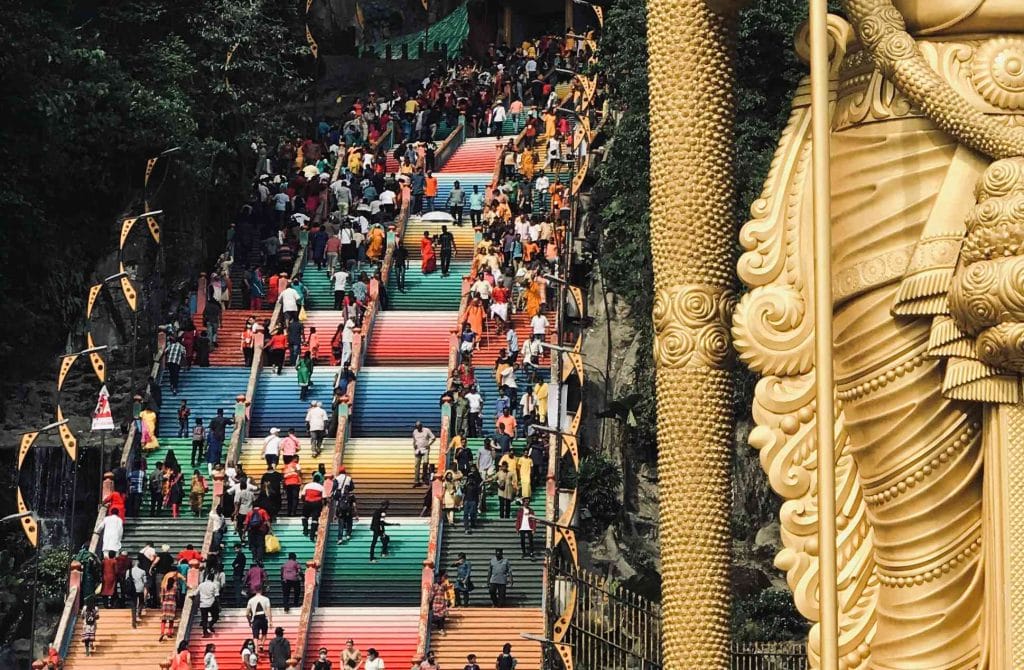
Experiencing different cultures and environments first-hand, alongside people who live and work there, gives students a wider view of the world and their place in it.
-
![]() Perspective
-
![]() Empathy
-
![]() Reflection and articulation

How student development happens on a World Challenge Expedition
It starts long before anyone flies. Students prepare for the expedition as a group and raise funds towards their own place themselves. This is where the first round of organising, persistence and asking people for things happens.
On the expedition, the group runs the day-to-day organisation. One student manages the budget. Others plan and cook the team’s meals or sort the local travel. Each of them takes a turn leading the whole group.
A trained Expedition Leader is alongside them throughout, someone who knows when to step in and when to give students the space to work something out for themselves.
Reflection is built into every expedition. It means students can explain what they did, what they learned and how they handled it. That’s something they can draw on in personal statements, interviews, university applications and working life.
- Daily budget, team meals and local transport, held by students
- A different student leads the group each day
- Expedition Leaders who know when to step in and when to stand back
- Built-in reflection, so students can explain what they did
“I’ve proved to myself that I can handle anything in any situation, and the World Challenge experience made that possible.”
years’ experience
countries visited
school trips completed
student journeys
THE EVIDENCE
After every expedition, we invite students and schools to tell us about their experience.
Then we publish the results. Questions follow the three things expeditions are designed around: personal growth, global citizenship and wellbeing.
- 78% came home more confident
- 88% will keep challenging themselves at home
- 98% took action to be more sustainable
- 95% used self-care strategies to maintain wellbeing
In the same survey, 99% of students told us they developed leadership skills, stepped out of their comfort zone and used initiative to handle unexpected situations. These are students’ own answers in the weeks after they get home. Parents and teachers often tell us the bigger changes show up later. There’s a great deal more of this, and the stories behind the figures, in our latest Impact Report.
World Challenge Impact Report 2026, based on 801 survey responses from students returning from their expedition in 2025
Educational value
Most schools are already reporting on personal development, character and enrichment. An expedition gives you something concrete to report on.
Personal development, character, confidence and resilience feature explicitly in Ofsted’s approach, alongside purposeful enrichment and wider opportunities for pupils. For schools in England, World Challenge Expeditions also sit well against the Department for Education (DfE)’s enrichment framework, with priorities including nature and outdoor adventure, civic engagement, physical activity and wider life skills.
Some Expeditions may also support Gatsby Benchmark 5 where students have meaningful interaction with employers or employees. For example, through appropriately structured community or conservation partnerships.
For schools offering the International Baccalaureate, World Challenge expeditions can provide experiences relevant to CAS through physical challenge, service and, where the itinerary supports it, creative activity. Reflection is built into the expedition experience, and the skills students develop align naturally with several attributes in the IB Learner Profile.
What we can give you is the specific evidence your senior leadership team needs:
- what students held responsibility for
- what they told us afterwards
- how those outcomes support the priorities your school is already working towards.
If you have a specific outcome or aim in mind for your trip, tell us. We can build the expedition around what you want students to come back able to do.
If you’re building a case for an overseas school expedition, our latest Impact Report is worth sharing with them.
“As a graduate recruiter, I look for candidates who have gone above and beyond academic and sporting achievements, those who have dealt with real people, taken on responsibility or had experiences that make them stand out. From every angle, as a pupil, a leader and now an employer, I can say that a World Challenge Expedition genuinely sets young people apart from the crowd.”


Ready to start planning?
Speak to our school trip specialists and start planning an expedition tailored to your students.