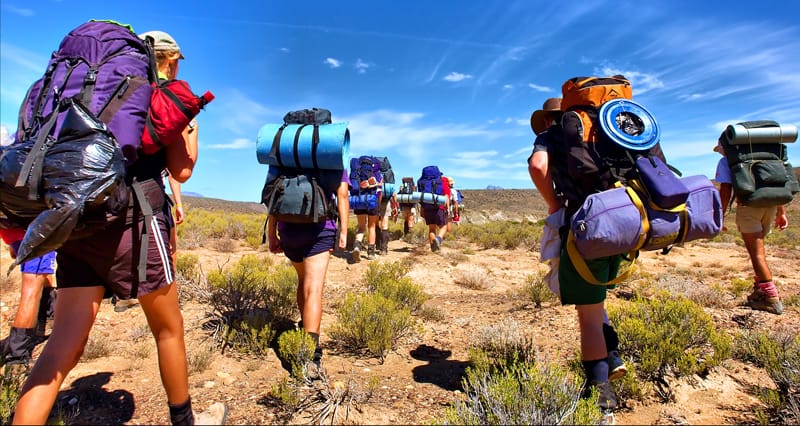
What your child will gain
What your child will gain from a World Challenge Expedition
Personal development you’ll be able to see for yourself
Ask a young person what they got from a World Challenge Expedition, and very few of them start with the country. They talk about the day they led the group, the budget they were handed, or the thing they were sure they couldn’t do and then did.
That’s by design. World Challenge Expeditions are deliberately organised so that students take real responsibility in unfamiliar environments, with a trained Expedition Leader alongside them.
What they gain shows up in what they can do afterwards. Every young person takes something different from it. But in 40 years, what they come back with tends to come down to four things.

What parents might notice when their child gets back
After completing a World Challenge trip, young people come home with new memories, friendships, and stories they’ll still be telling years later.
However, there’s more to it than that. Teachers often notice the difference after students return. It’s the student who never volunteered before putting their hand up, or the group that sorts itself out without being asked. At home, parents usually notice something similar, which can show up weeks after their child has returned.
Young people learn to keep going when things feel unfamiliar or difficult. They come home more confident in what they can handle. Afterwards, they can say what changed and why.
Examples:
At home, you might notice this in the things they start doing for themselves, like making the phone call they’d have asked you to do. Elsewhere, you might see them speaking up, trying something new or putting themselves forward when they might previously have held back.
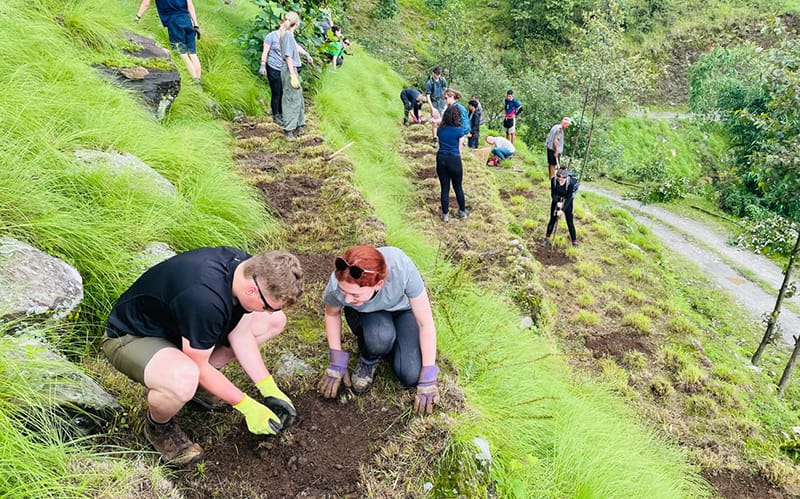
Young people practice working with others in real situations, where the outcome actually depends on it. They learn to communicate, reach agreements and sort problems out between themselves.
Examples:
At home, it might be sorting something out with a sibling or a friend instead of bringing it to you. Or it could show up elsewhere in working better with people they didn’t choose.

Your child manages real tasks, from budgets and kit to day-to-day decisions. Their choices affect the whole team.
Examples:
At home, this might be taking charge of their own money, packing their own bag, or simply being the one who remembers things without relying on you to prompt them. Elsewhere, it might be following through on something they’ve said they’ll do.
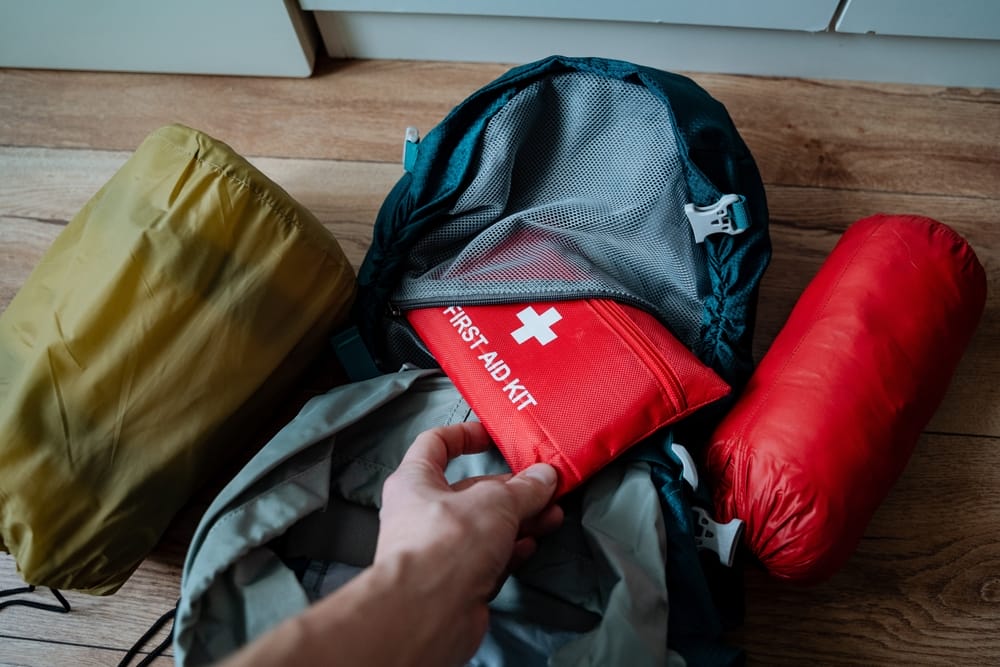
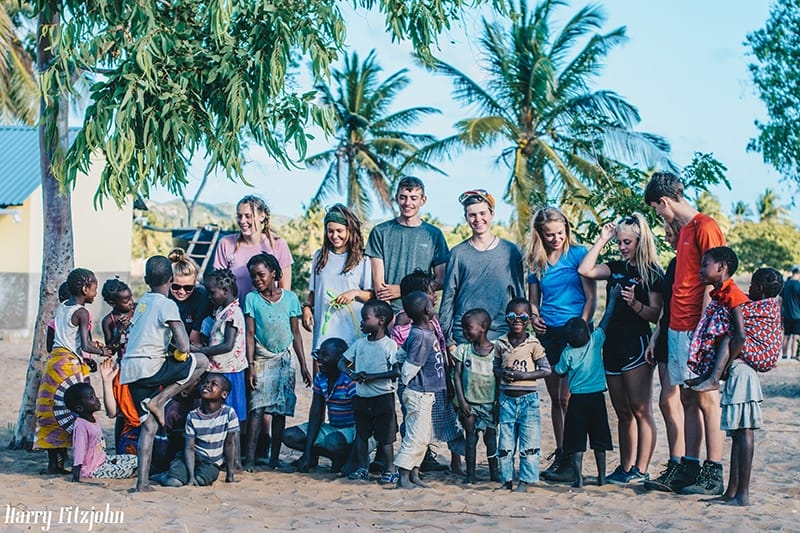
Experiencing different cultures and environments first-hand gives young people a wider view of the world and their place in it.
Examples:
You might notice them taking more interest in what’s happening beyond their own world. Paying attention to the news. Being more thoughtful about other people’s experiences or seeing everyday frustrations a bit differently.
THE EVIDENCE
After every expedition, we invite students and schools to tell us about their experience. Then we publish the results.
- 78% came home more confident
- 88% will keep challenging themselves at home
- 65% came home more resilient
- 95% used self-care strategies to maintain wellbeing
In the same survey, 99% of young people told us they developed leadership skills, stepped out of their comfort zone and used initiative to handle unexpected situations.
If you want to know more, including the stories behind the figures, you can find it in our latest Impact Report. These are young people’s own answers in the weeks after they get home. Parents and teachers often tell us the bigger changes show up later.
Source: World Challenge Impact Report 2026, based on 801 survey responses from students returning from their 2025 Expedition.

How it happens
It starts long before anyone flies. Your child helps prepare for the expedition, is encouraged to raise some of the cost themselves and completes a team training day with the rest of their school group. That’s where the organising, teamwork, and building the confidence to ask people for things begins.
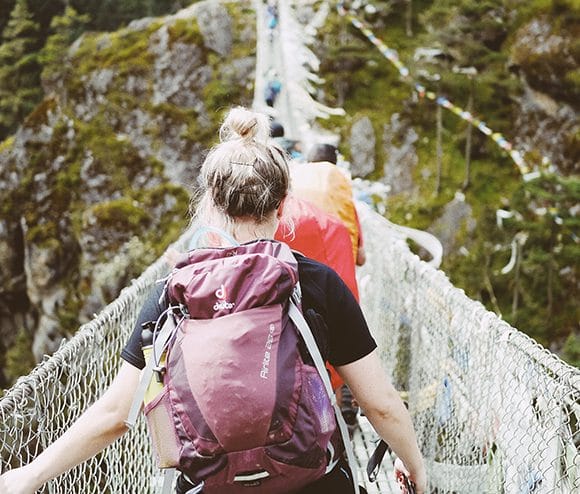
On the expedition itself, the group takes it in turns to run the day-to-day. Your child might be asked to:
- Manage the day’s budget
- Sort local journeys
- Plan, shop for and prepare team meals
- Lead the group for the day
All of this happens alongside a trained Expedition Leader, who supports them throughout.
Their Expedition Leader is experienced and knows when to step in and when to let a group of young people work something out for themselves. So your child is trusted with real decisions, responsibilities and consequences, with trained adults nearby to support when needed.
Being away from home is the part students tell us they worry about most beforehand, and the part they’re proudest of afterwards.
Their own teacher travels with them too. They’re the familiar face, the person your child is more likely to go to, and we prepare and support teachers before departure too.
At the end of each day, your child’s group is encouraged to talk through what happened, what they learned and what they’d do differently. It might sound like a small thing, but it’s why they can still explain it months and years later, whether that’s at an interview or over dinner at home.

What it’s worth later
Employability isn’t something we set out to teach your child, yet it’s what comes of the personal development and experiences they have on a World Challenge trip. Young people who’ve managed a budget in an unfamiliar country, led a group through a difficult day and worked out how to get everyone fed have something specific to talk about. And the reflection built into the expedition means they can explain it.
That’s what turns an expedition into a personal statement or a confident answer in an interview or on an application. It’s something still worth talking about years later. It’s often what makes a young person stand out from other candidates.

Parent and guardian questions, answered

What's not included in the price of a World Challenge expedition?
How will my child balance this with their schoolwork?
How do you keep young people safe?
What happens if my child is ill on the trip?
Can I contact my child while they are away?
What happens if my child doesn't stay on at the school?
What if we can't make a payment?

Still got questions?
Our Parent Hub and FAQs cover what parents ask us most. Most schools also hold an information evening before confirming an expedition. Here, one of our School Account Managers will answer your questions directly.
If yours hasn’t happened yet, or you’d rather ask us, we’re happy to talk it through.
More for parents and guardians
There’s more for parents on safety, support and how an expedition is paid for.